Assembled to order for a physical reason
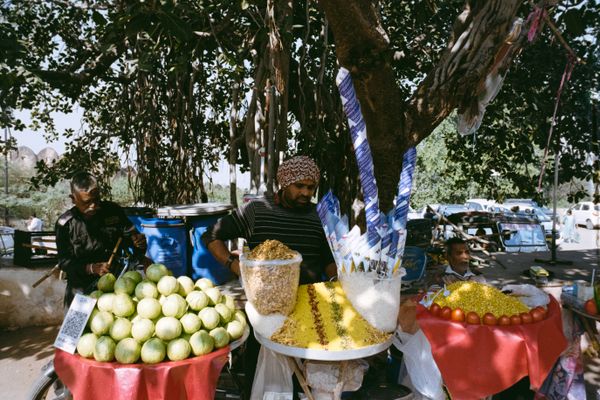
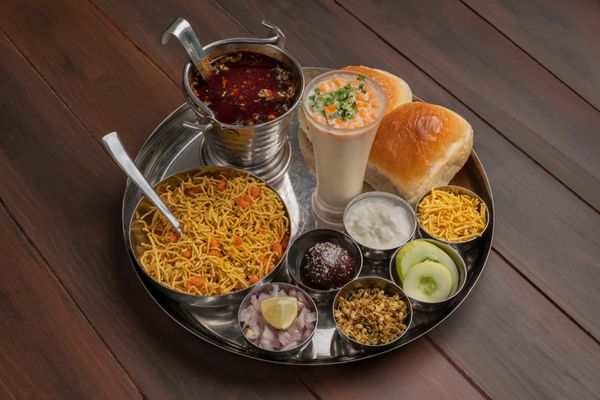
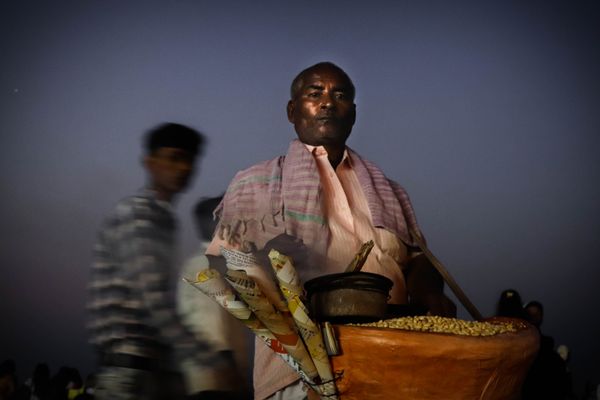
Bhel is one of the few foods that is genuinely worse two minutes after it is made, and every stall in the country is organised around that fact. The dry components sit in separate tins, the wet ones in separate pots, and they meet only when somebody has actually paid. That is not showmanship. It is the only way to serve the dish in the state it is supposed to be in.
What is happening after assembly is moisture migration — water moving from the wet components into the dry ones because of a difference in how strongly each holds it. It is slow enough to be invisible and fast enough to matter, and it runs in one direction only.
Puffed rice is mostly empty space
Murmura is rice that has been heated until the water inside each grain flashed to steam and blew the starch structure open. What is left is a rigid, glassy foam — a great deal of air held inside thin walls of dried starch. Its crunch comes entirely from those walls being dry and brittle.
Dry starch is hygroscopic, meaning it pulls water out of its surroundings until it reaches equilibrium with them. Puffed rice sitting in humid air softens on its own over hours; puffed rice in direct contact with wet chutney softens in seconds, because the water does not even have to travel through the air first.
Once a starch wall absorbs a small amount of water it stops being brittle and becomes leathery. It is not a matter of degree that you can partly reverse by eating quickly. Below a certain dryness the material simply has different mechanical properties, and the sound and feel that made it worth eating are gone.
The salt and sugar make it worse, not better
Chaat is heavily salted and the sweet chutney carries a lot of dissolved sugar, and both of those substances attract water strongly. That is why they preserve things in other contexts — they bind water so tightly that microbes cannot use it. In a bhel it means the wet components are aggressively wet in a chemical sense, holding water that is very ready to move.
Salt sitting on a dry surface also draws moisture out of the air towards it. Anyone who has left a plate of masala-dusted fried snacks out in monsoon weather has watched this happen — the seasoning goes tacky first and the food underneath follows.
So the design of the dish contains its own destruction. The components that make it taste good are the same ones that guarantee it cannot be made in advance.
What the different crisp elements contribute
A good bhel is not one texture but several, and they fail at different rates. Puffed rice is the most fragile because it is almost all surface. Sev, extruded from gram flour and fried, is denser and coated in oil, and oil is a genuine barrier to water — fried surfaces resist wetting far longer than puffed ones do. Broken puri pieces sit somewhere between.
That staggering is part of why the dish is interesting to eat rather than just crunchy. Even as the murmura fades, the sev is still holding, and a piece of papdi at the bottom of the cone can still be properly crisp when everything around it has given up.
It also explains a practical stall habit: sev usually goes on top and at the last moment. Its oil coating and its position keep it out of the wettest part of the mixture, so it stays as the last surviving crunch.
Working with the clock instead of against it
There is no storage solution, and it is worth being blunt about that. Anything that keeps a bhel crisp for half an hour has done so by removing the moisture that made it a bhel. The realistic approach is the stall approach — everything prepped, nothing combined, mixed in front of the person eating it.
The components themselves keep well separately, and that is where care pays off. Puffed rice sealed away from air stays usable for weeks and can be revived by a few minutes of dry heat if it has gone soft, since driving the absorbed water back out restores the brittleness. Chutneys keep in the fridge. Onion, tomato and coriander are the only things that really need doing fresh.
One adjustment does help at home. Draining the wet components slightly, and going lighter on chutney than a stall would while adding a squeeze of lime for the missing sharpness, buys a noticeably longer window. The dish is a little less lavish and it survives being carried to the table. That is a trade, not a fix.
Common questions
Can I revive puffed rice that has gone soft?
Yes, and easily. A few minutes in a dry pan or a low oven drives the absorbed moisture back off and the crunch returns as it cools. It works on sev and papdi too, though anything already oily can go greasy if pushed too far.
Why does bhel from a stall stay crisp longer than mine?
Mostly because it has been in existence for under a minute when you get it. Beyond that, stalls tend to use less chutney than home versions and drain what they do use, and their fried components are usually fresher and therefore drier to begin with.
Does adding the chutney to the side work?
It does, and it is how a lot of people quietly eat it. You lose the even coating and the dish becomes a series of separate bites rather than one mixture, which some would say misses the point. It also keeps the last third edible.
Consumer editor, Wah Taste
Nadia has written about everyday cooking, street food, spice & pantry for most of the last decade and is unreasonably interested in the detail nobody else checks.