A decision that looks like it was never made
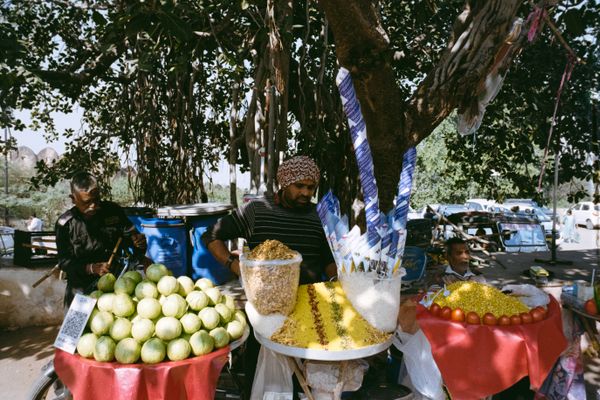
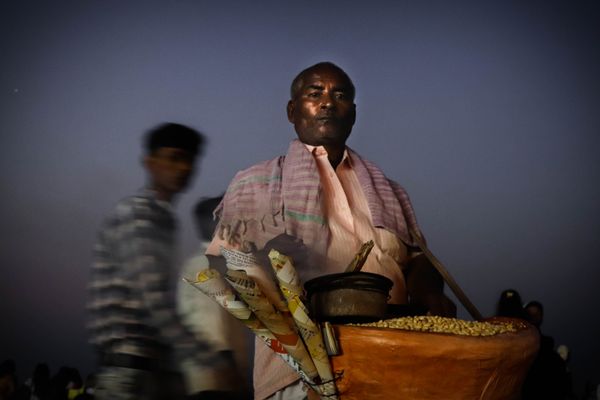
Fried snacks come in a paper cone. Wet chaat comes in a shallow bowl pressed from leaves, or these days from board. Something with gravy comes in a deeper vessel with a leaf or a piece of paper underneath. Roasted things arrive in a twist of newspaper. Nobody thinks about it, and yet the pairings are remarkably stable across cities that haven’t got anything else in common. The container’s contribution isn’t only that it holds the food.
They are stable because the container is a piece of the cooking. It decides how fast the food cools, whether the steam it is giving off stays or goes, what happens to the fat on its surface, and how long the customer has before the texture changes. A cart that gets this wrong loses the dish between the pan and the mouth.
Paper is chosen because it lets steam out
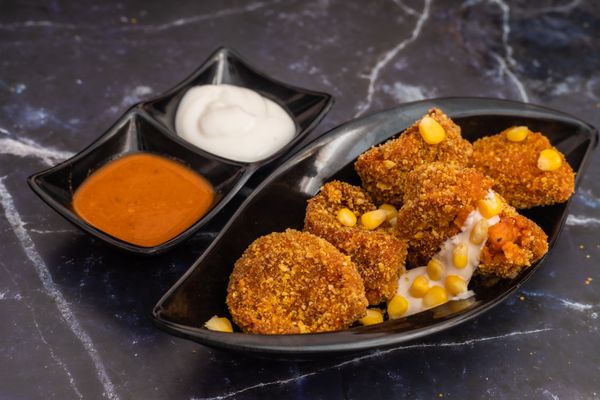
A fried item is at its best for a short window during which its surface is dry and hot. The moment it is enclosed in anything that holds moisture, water evaporating from the interior condenses on the inside of the container and returns to the crust. A cone of thin paper does the opposite: it is open at the top, the paper itself passes vapour, and the point of the cone lets fat drain away from most of the contents.
It also holds heat poorly, which sounds like a fault and is not. A fried snack cooling quickly to eating temperature is exactly what is wanted, because it is going to be eaten in three minutes and holding it hot for longer only means more moisture migrating out of the interior into the crust.
The absorbency is the third property. Paper wicks surface oil away from the pieces sitting against it, and a vendor who lines the cone with an extra sheet is deliberately increasing that effect. The cost of all this is that the same cone is hopeless for anything wet, which goes straight through it.
A leaf plate is stiff, waterproof and inert
Leaves pressed into a shallow plate or pinned into a bowl have a waxy surface that resists water for far longer than paper does, enough structure to be held flat on one hand, and enough rigidity that a stack of it does not collapse in a bag. That combination is exactly what a wet, assembled dish needs.
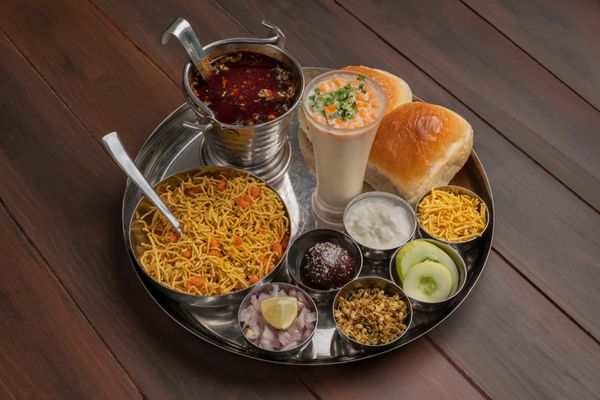
Shallowness matters too. A chaat assembled in a shallow bowl exposes most of its surface, so the crisp components sit above the wet ones rather than being submerged, and the person eating gets the layered mouthful the assembly was designed for. Pile the same ingredients into a deep cup and everything below the top inch is sitting in liquid from the moment it is served.
The vessel decides how long the dish has
Every serving decision on a cart is really about a clock. The crisp elements in a chaat begin taking up water from the chutneys immediately, so the plate is shallow and wide to keep them apart and the dish is handed over the instant it is finished. A fried snack is losing its crust to its own steam, so it goes into something open.
Even the way a container is held enters into it. Anything meant to be eaten standing, with one hand occupied by the vessel and the other doing the eating, has to be stable on a flat palm and shallow enough to reach into without looking. That rules out a good many shapes that would otherwise be sensible, and it is why so much cart food is served in something wide and low rather than in something deep and efficient.
A dish with gravy has the opposite problem and wants to be kept hot, which is why it arrives in something deeper with a smaller opening, and why the bread that goes with it is handed over separately rather than sitting in the sauce. None of this is written down anywhere, and all of it is consistent.
What changed when the materials changed
Plastic and foil containers seal well, stack well and cost little, and they solve a logistics problem the older materials never solved. They also trap steam completely, which is why food that was excellent at the counter can be disappointing after a fifteen-minute journey in a sealed box. The failure is not the cooking; it is that the container has now become an enclosed humid space.
Some of the workarounds are visible if you look for them — a hole punched in a lid, a paper wrapper inside a plastic bag, crisp components sent in a separate packet. Each is an attempt to restore a property the older container had for free. Whether the trade is worth it depends on how far the food has to travel, and that is a genuine trade rather than a straightforward loss.
Common questions
Does the leaf actually add any flavour?
A little, in some cases, particularly when hot food sits on a fresh leaf and warms the aromatic compounds in it. With dried, pressed plates the effect is faint. The main contributions are structural, and anyone claiming a strong flavour transfer from a pressed plate is overstating it.
Why do vendors line a cone with extra paper?
To absorb oil and to add a little strength, since a single thin sheet gives way once fat soaks through it. The inner sheet takes the grease and the outer one holds the shape. It is the same reasoning as draining fried food on paper at home, applied at the point of service.
Is a foil container ever the right choice?
For anything with gravy that needs to stay hot on a journey, yes, and the seal is genuinely useful. For anything fried or assembled it is working directly against the dish. The sensible compromise, and the one most kitchens have arrived at, is to separate the components and let the customer combine them.
Editor, Wah Taste
Sanaya has written about everyday cooking, street food, spice & pantry for most of the last decade and prefers a plain explanation to a clever one.