The container is not neutral
A lunch packed at eight and eaten at one has spent five hours in a sealed steel box, and a great deal happens in there. The food carries on cooking for the first stretch on its own residual heat, then cools slowly through a range of temperatures, and throughout that period every gram of water leaving the food has nowhere to go. It condenses on the lid and drips back down.
That’s why some dishes are famously good in a tiffin and others are famously miserable, and the pattern has very little to do with how good they were when they went in. The box’s preferences aren’t the cook’s. The box rewards a particular set of properties and punishes a different set, consistently enough that the traditional lunch menus of most Indian households are, in effect, a solved problem.
Residual heat keeps cooking what you packed
A steel container holding hot food is a decent insulator, particularly when stacked with two others. Vegetables packed at the point of being perfectly done will keep softening for a considerable time after the lid goes on, so anything with a crisp bite is being cooked past its target while it sits on a shelf.
Rice suffers most visibly from this. Grains packed hot and pressed down continue to swell against one another and end up compacted into a single mass, whereas the same rice loosened with a fork and allowed to steam off for a few minutes stays separate for hours. The difference is entirely in what happened in the ten minutes before the lid went on.
Cooks who pack regularly compensate without thinking about it, taking a sabzi off slightly early or spreading it out to lose heat before it is transferred. Spreading it out matters more than it sounds: a shallow layer sheds heat quickly and stops the carry-over almost at once, whereas a deep box of hot food holds temperature for a long time in the middle.
Condensation is the real enemy of texture
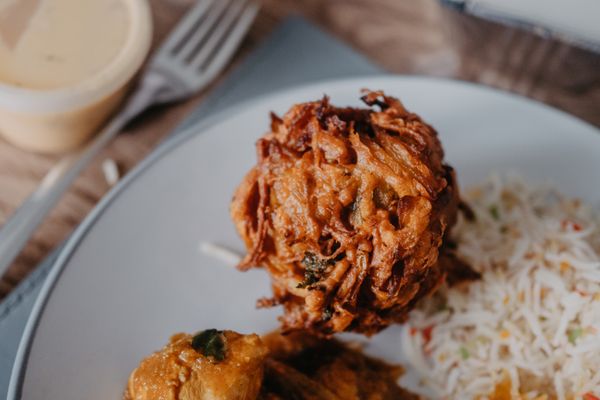
Water leaving hot food is water arriving somewhere else. In a closed box it hits the cooler lid, condenses into droplets, and falls back onto whatever is underneath. A fried item packed hot is therefore not merely cooling; it is being steamed and then rained on, and no amount of crispness at the pan survives that.
This is the reason for two habits that look like superstition. Letting things cool before closing the lid dramatically reduces how much water is in the air inside the box, and separating the fried or dry components into a different compartment keeps them out of the path of the drips. A cloth or a sheet of paper between food and lid works by intercepting the condensate rather than by absorbing much itself.
Some dishes are built to be eaten hours later
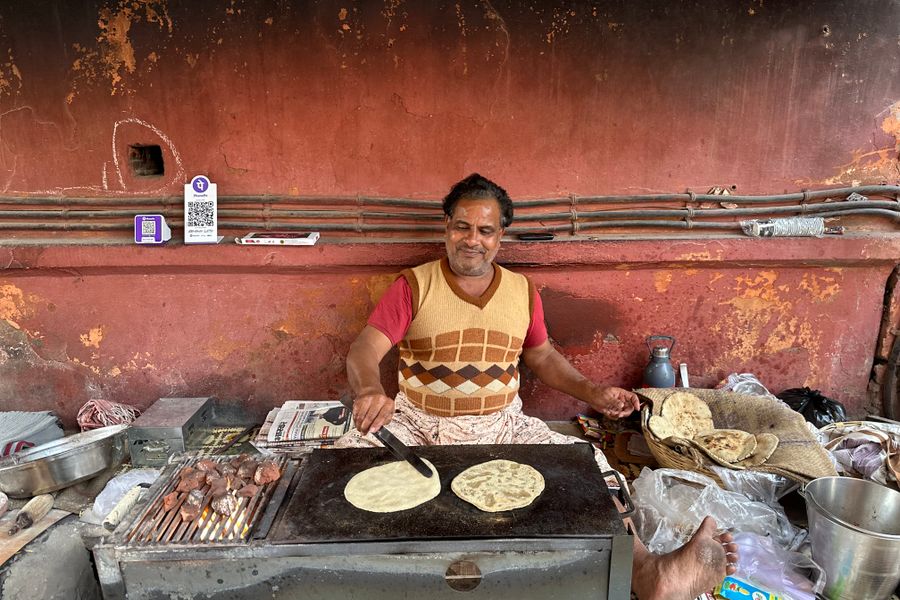
Dry sabzis of the kind made with beans, cabbage, potato or gourds hold beautifully, because there is little free water to redistribute and the texture was never delicate. Pulse dishes thicken but do not spoil in character. Pickles, chutneys and anything preserved in oil and salt are stable by design. Parathas made with a little fat in the dough stay pliable in a way a plain roti does not, because the fat interferes with the starch network that would otherwise stiffen as it cools.
Flavour holds up differently as well. A dish eaten several hours after cooking is eaten close to room temperature, and aroma is much less available at that temperature than it is off the stove, so anything relying on a delicate fresh note arrives muted. Dishes with acid, salt and a decent quantity of fat carry across the gap far better, which is one reason a packed lunch is usually seasoned a shade more firmly than the same food served at home.
The dishes that fail are the ones whose quality lives in a texture that only exists for a few minutes. Anything fried and thin, anything with a crisp coating, and salads with cut fruit or raw onion sitting in salt, which draws water out and leaves everything limp in an hour.
Time and temperature are a genuine constraint
Food that is packed warm and sits at moderate temperatures for hours is being held in the range where microbes multiply fastest, and that is a real consideration rather than an alarmist one. The traditional answers are the sensible ones: dishes with meaningful salt and acid, cooking that finishes shortly before packing, and a preference for foods that were dry rather than watery to begin with.
Rice and cooked pulses in particular are worth respecting, since they are moist, low in acid and often packed in quantity. Public guidance on safe holding times varies by country and it is worth following the local version rather than a rule of thumb from a website. The general principle survives the variation: hot food should get out of the middle temperatures quickly in one direction or the other.
Common questions
Why do parathas stay soft when rotis go stiff?
Fat worked into the dough and smeared between the layers gets in the way of the starch chains reorganising as the bread cools, which is the process that makes plain bread firm. It also slows moisture loss. That is a genuine difference in mechanism, not just a difference in richness.
Should food be packed hot or cold?
Hot food closed immediately produces the most condensation, and warm food left open for a few minutes first produces much less. Cooling it entirely is better for texture but means the meal is eaten cold unless something reheats it. Most households split the difference by letting it stand briefly, which is a reasonable compromise rather than a perfect answer.
Does an insulated box change any of this?
It changes the temperature curve but not the humidity problem, and in some ways it makes the second one worse by keeping everything hot and therefore evaporating for longer. The insulation helps with safety and with eating something warm. Texture still depends on keeping the wet and the dry components apart.
Editor, Wah Taste
Sanaya has written about everyday cooking, street food, spice & pantry for most of the last decade and prefers a plain explanation to a clever one.